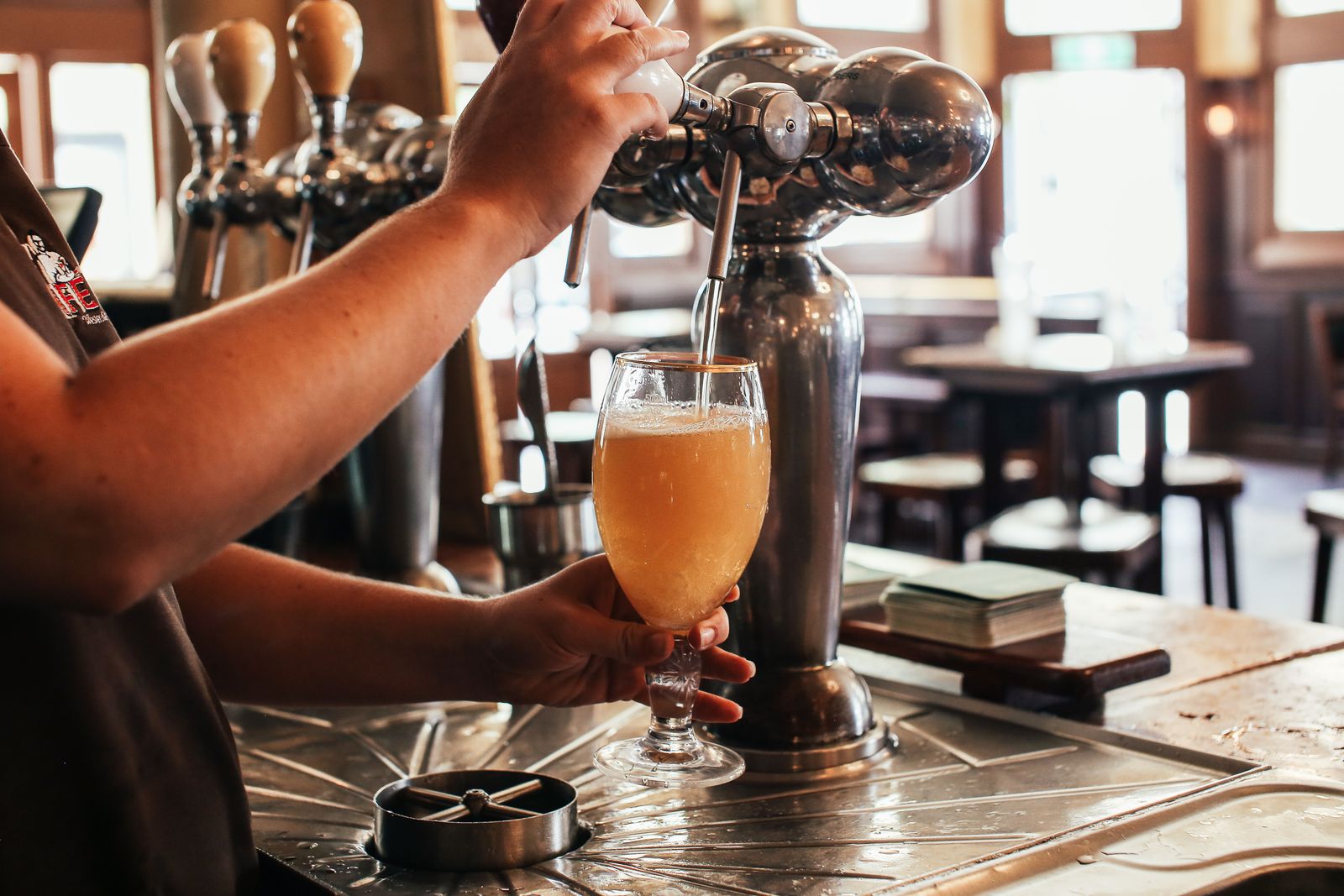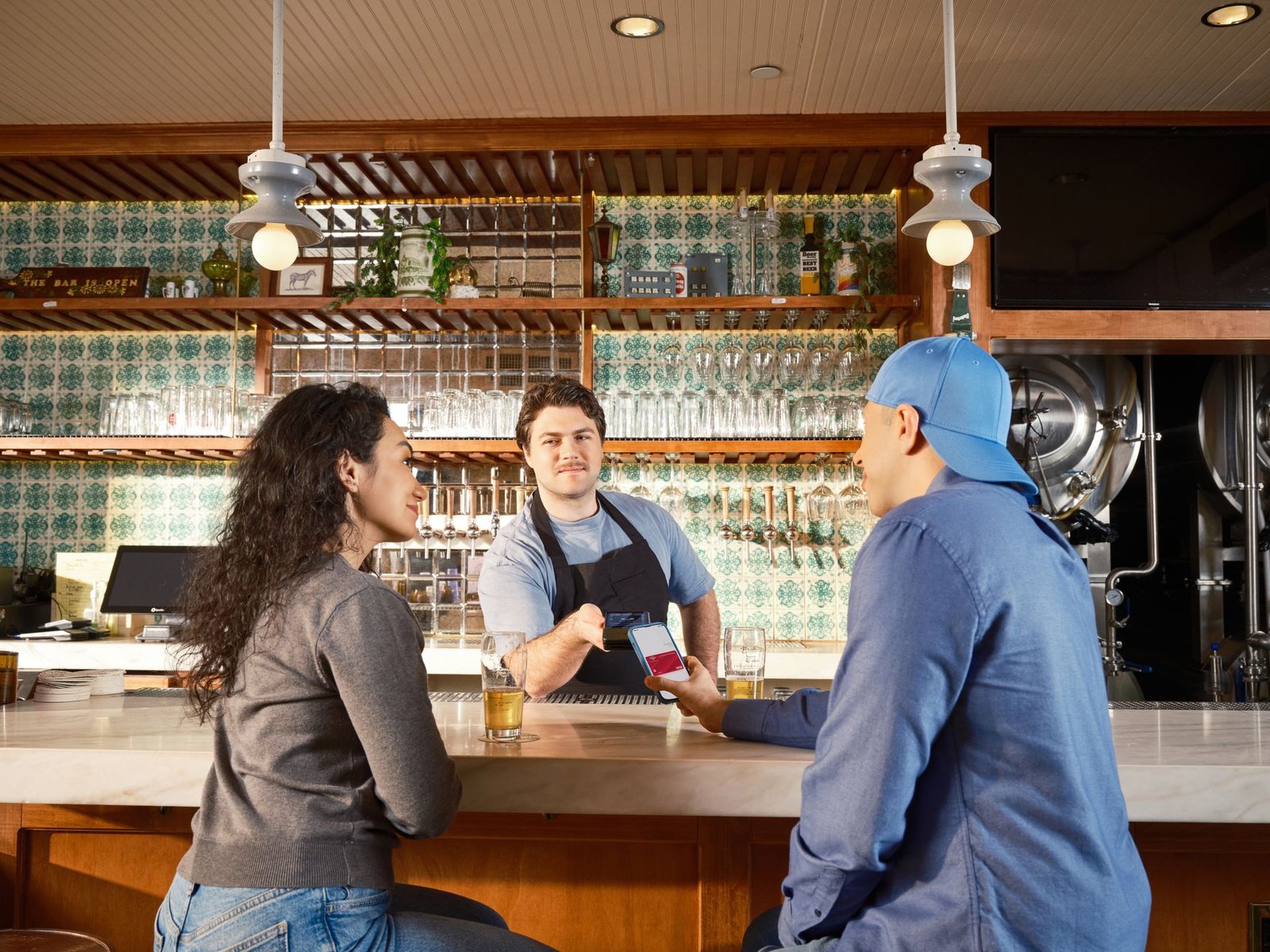
A brand can tell you, with reasonable confidence, how much of its product left a distributor's warehouse last month. It can tell you what moved through a grocery chain, because somebody built a business selling that information. What it usually can't tell you is what happened in a bar.
That gap isn't a technology problem, or at least it didn't start as one. It's a structural feature of how alcohol is sold in the United States, and it explains most of what is frustrating about measuring a sampling program.
The best available data stops one step short
The most complete picture of wine and spirits movement in the US comes from distributor depletions: product shipped from wholesalers to the accounts that sell it. WSWA's SipSource is built this way, drawing on aggregated depletion data from wholesalers across hundreds of thousands of outlets, and it does let subscribers split the business between on-premise and off-premise.
Two things about that are worth sitting with.
The first is coverage. At the time of that announcement the panel reflected 17 wholesalers representing more than 60% of the US market by volume. Sixty percent is a lot, but it's not everything, and the missing portion isn't randomly distributed.
The second matters more. Depletion data measures product moving from a distributor to a bar. It doesn't measure product moving from a bar to a person. A case that arrives at a restaurant in March may be poured in March, or in July, or returned, or sit in a basement. For most commercial questions that distinction is academic. For sampling it's the entire question, because the thing a sampling program is supposed to change is what happens in the room.
Why nobody built the missing layer
In grocery, the equivalent gap got closed decades ago because it was worth closing. Scanner data exists because a third party could buy register data from chains, clean it, and sell it back to everyone, including to brands the grocer had never met. The measurement arrived because someone unconnected to the outcome could make a business out of producing it.
On-premise has no equivalent. A bar's sales sit in that bar's point-of-sale system, owned by that bar. There are tens of thousands of them, most independent, most running different systems. No single party has ever had both the access to aggregate it and a buyer willing to fund the aggregation.
So the measurability of a sales channel turns out to be a question about who owns the records, not about how important the channel is. On-premise shapes what people drink at home and it goes largely unmeasured, because the data is scattered across a very large number of small businesses with no particular reason to hand it over.
What that leaves a sampling program with
In practice, a traditional sampling program's measurement chain ends with a person writing a number on a sheet at the end of a shift.
That number isn't dishonest. It's an estimate produced at the end of a long night by someone who was also pouring, talking and counting at the same time. Everything downstream of it — the cost per sample, the comparison across venues, the case for doing it again — rests on that estimate, and the estimate has no audit trail.
The second problem compounds the first. A count has no people in it. Fifty samples poured tells you a number; it doesn't tell you who drank them, whether any of them bought the product afterward, or whether the same four people came back five times. Every claim a brand wants to make after a sampling event (trial, conversion, repeat) requires that someone was identified at the moment of the pour, and a tally can't do that no matter how carefully it was kept.
What the research can and can't tell you in the meantime
There's a real academic literature on sampling, and it's worth knowing because almost nobody in this category cites it.
Bawa and Shoemaker, in Marketing Science, decomposed what a free sample actually does into three separate effects: people who buy sooner than they would have, people who take a free unit of something they would have bought anyway, and people who buy who otherwise wouldn't. Only the third is new money. They could still observe effects as long as twelve months after a sample was handed over, which sits awkwardly beside the four-week window most programs are judged on.
Chandukala, Dotson and Liu, in the Journal of Retailing, found that repeating a sampling event at the same location produced a multiplicative rather than additive return, which argues for fewer venues sampled more often, rather than the broad single-event footprints most budgets buy.
Both studies are grocery. Neither is alcohol and neither is on-premise. The direction of the effects probably transfers; the size of them is an open question, and a brand building a business case on them should say so.
The question worth asking
If you're evaluating a sampling program, the useful question isn't how many samples it will produce but what record will exist afterward, and who made it.
A number written down at the end of a shift and a transaction recorded in a venue's own system are different kinds of evidence, and the difference doesn't show up until someone outside marketing asks where the figure came from. By then the event is over and the record is whatever it is.
This is the problem we started the company to work on, and we haven't solved it either. If you're trying to measure an on-premise program (ours or anyone else's), we'll tell you what it can and can't establish.